Oferecimento:




Parceiro institucional:
Oferecimento:
Parceiro institucional:
Última onda de calor de 2025 exigiu de 'medidas' para refrescar em grandes cidades ((Miguel Schincariol / AFP via Getty Images))
Repórter de ESG
Publicado em 14 de janeiro de 2026 às 12h13.
O observatório europeu sobre as mudanças climáticas, o Copernicus, confirmou o que muitos sentiram na pele: 2025 entrou para a lista dos anos mais quentes da história, ficando atrás apenas de 2024 e 2023.
Os dados, divulgados nesta quarta-feira, 14, mostram que a temperatura média chegou a 14,97 °C no último ano, ou seja, 1,47 °C acima dos níveis pré-industriais. No entanto, o dado é 0,01 °C inferior ao nível em 2023 e 0,13 °C abaixo da média em 2024, que ainda lidera como o ano mais quente da história.
Com o resultado, a pesquisa identificou que os últimos 11 anos foram os 11 mais quentes da história. Outro dado preocupante é o fato de que nos últimos triênio, a média da temperatura superou de forma consistente o acordado no Acordo de Paris, de 1,5 °C.
Esse limite foi estipulado em 2015 para conter os efeitos mais graves das mudanças climáticas e seus reflexos nos recursos naturais.
Para os pesquisadores, o fato da temperatura ter se mantido em alta — apesar de boa parte de 2025 ter sido influenciado pelo fenômeno La Niña, que costuma resfriar as temperaturas globais — mostra que os padrões climáticos não operam mais a partir da variabilidade natural, mas sim sob forte influência da ação humana.
Apenas fevereiro e dezembro ficaram abaixo das médias observadas em 2023, o segundo ano mais quente da história. Os demais meses, todos, ficaram acima desse patamar, sendo janeiro o mês mais quente.
Enquanto nos trópicos a temperatura foi mais amena, o cenário contrário foi percebido nos polos. Na Antártida, 2025 foi o ano mais quente já registrado. No Ártico, foi o segundo ano mais quente, com o registro de perdas severas de gelo marinho pelo derretimento.
O continente já conhecido como o que mais aquece no mundo sofreu ainda mais em 2025. A Europa teve uma média de 10,41 °C, ou 1,17 °C acima da média de 1991 a 2020.
Março foi o mês mais quente registrado no continente, com uma média histórica de 2,41 °C de alta.
Pesquisadores afirmam que o aumento das emissões de gases de efeito estufa de atividade humana e o aumento das temperaturas na superfície do oceano, causado por eventos naturais, são as principais causas para esse aumento histórico.
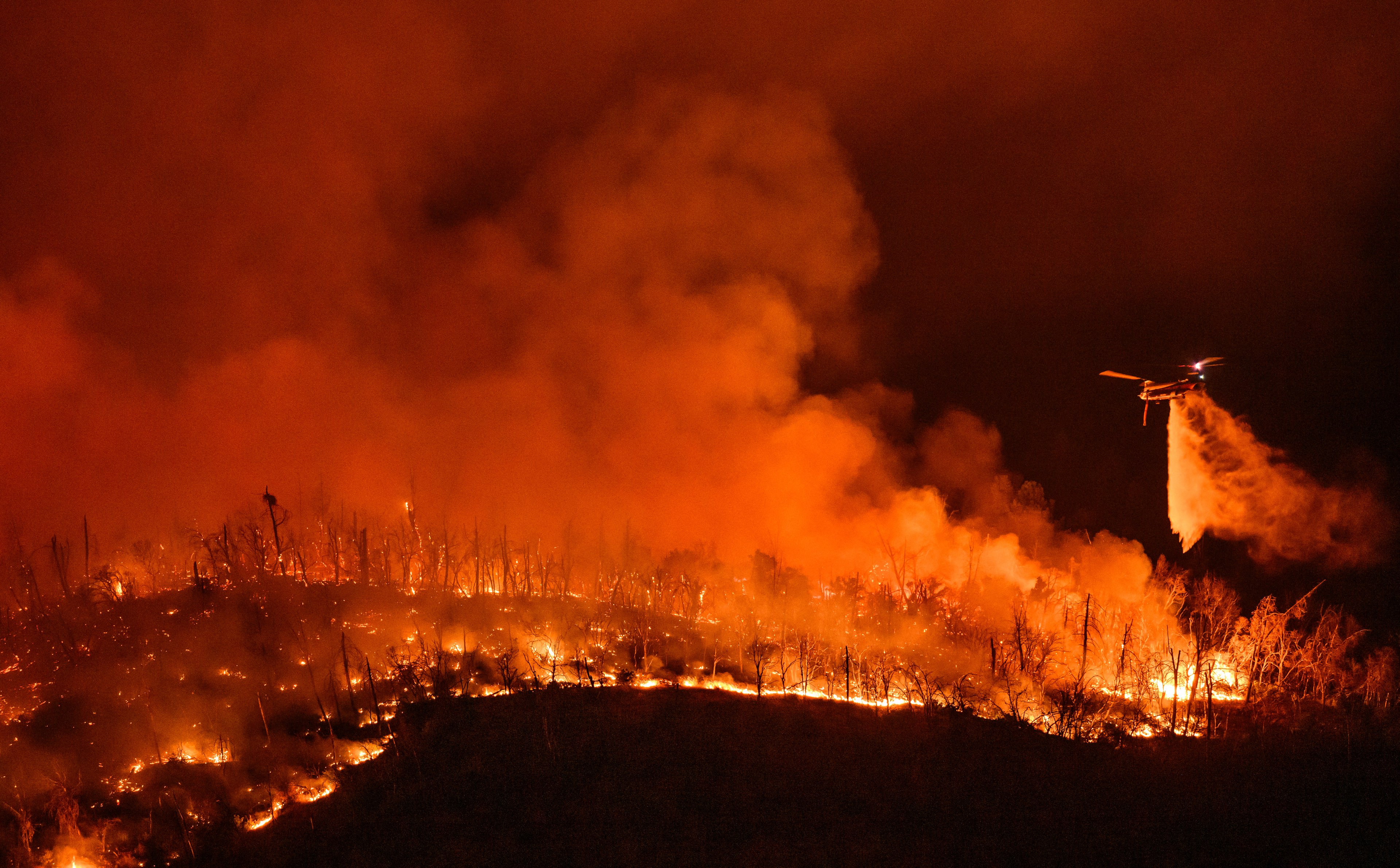
Os efeitos conhecidos são muitos: nas florestas, a seca favorece incêndios de grandes proporções, como os vistos em Los Angeles no último ano. Nas cidades, ondas de calor ameaçam a vida de crianças e idosos, enquanto tempestades prejudicam a economia (como a produção agrícola) e afetam a infraestrutura de cidades.
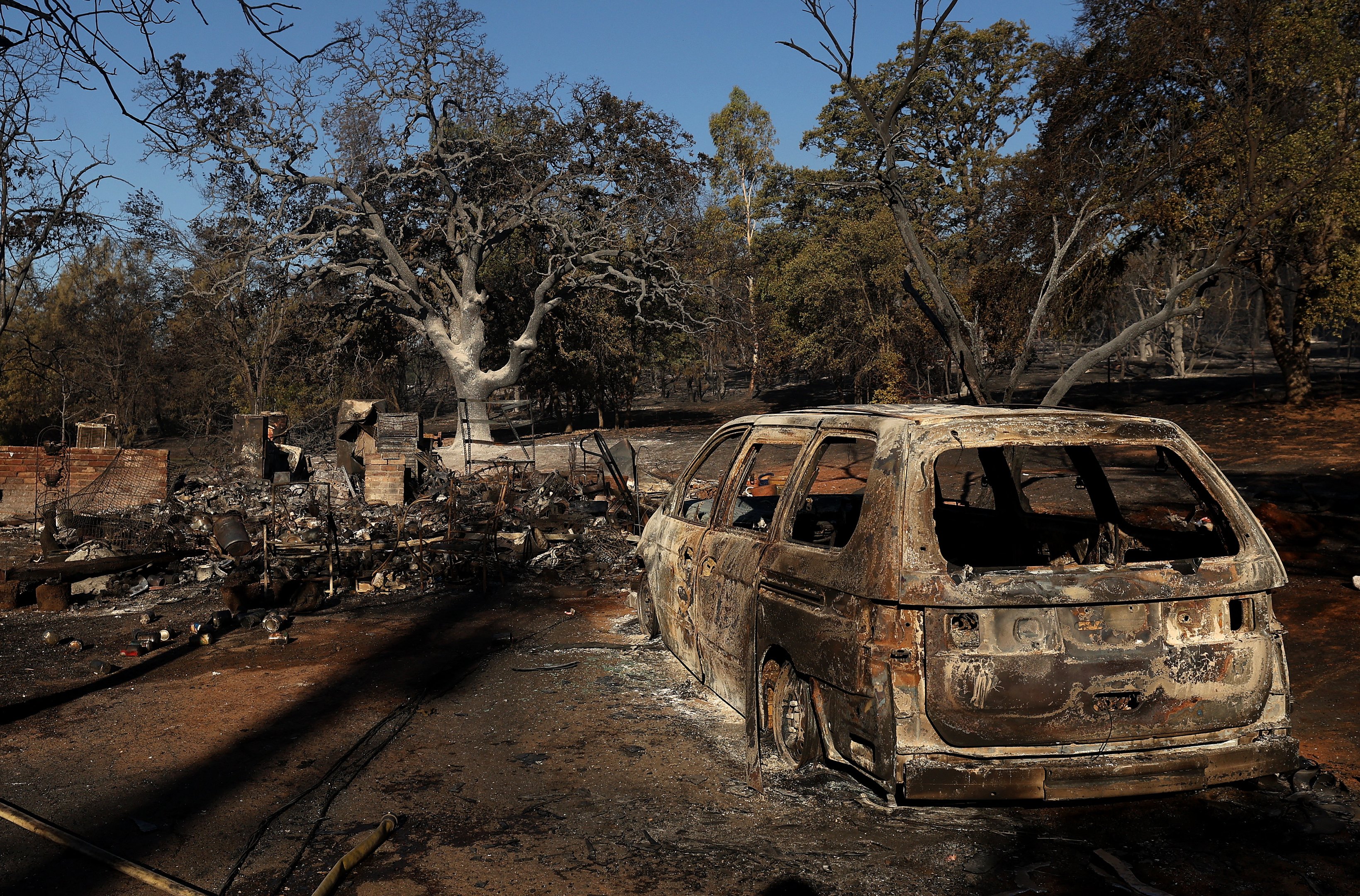
1/13 OROVILLE, CALIFORNIA - JULY 03: A burned out car sits next to a home that was destroyed by the Thompson Fire on July 03, 2024 in Oroville, California. At least 12,000 Butte County residents have been evacuated as they flee the Thompson Fire that has burned more than 3,000 acres and destroyed multiple homes since starting on Monday. The fire is zero percent contained. Justin Sullivan/Getty Images/AFP (Photo by JUSTIN SULLIVAN / GETTY IMAGES NORTH AMERICA / Getty Images via AFP) (Thompson Fire Burns In Northern California)
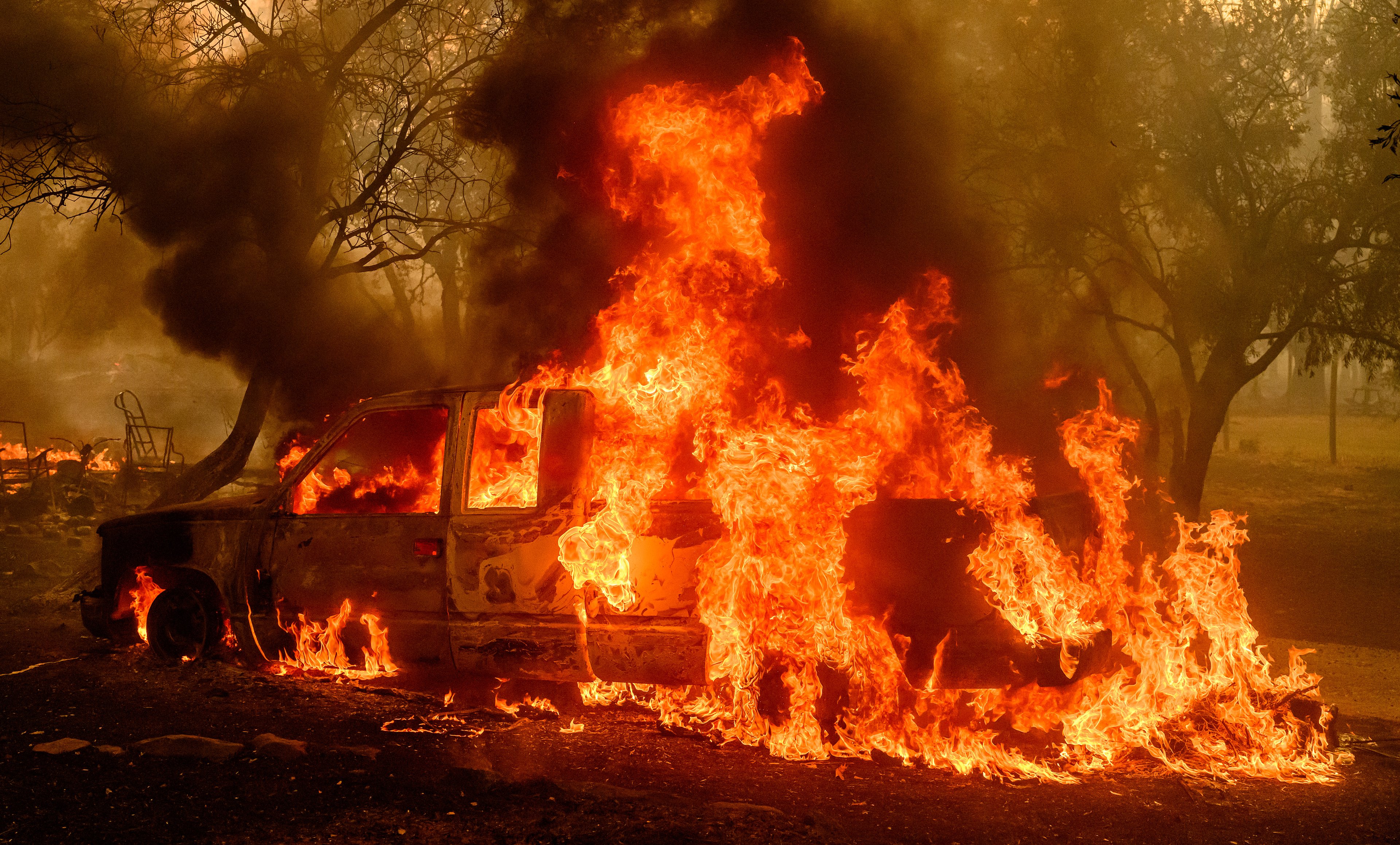
2/13 A car burns as flames engulf a home nearby during the Thompson fire in Oroville, California on July 2, 2024. A heatwave is sending temperatures soaring resulting in red flag fire warnings throughout the state. (Photo by JOSH EDELSON / AFP) (Fire season in California)
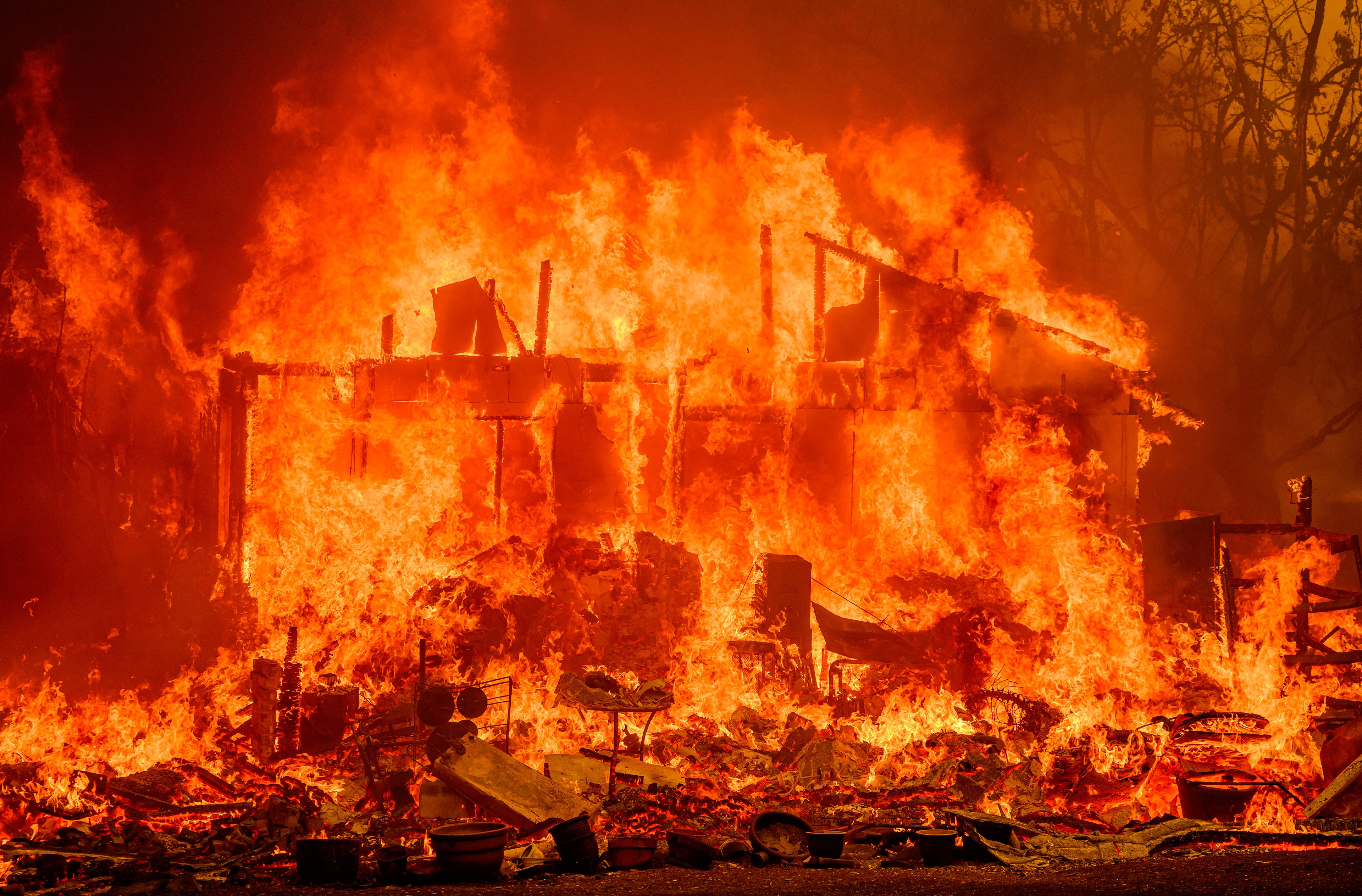
3/13 Flames engulf a home during the Thompson fire in Oroville, California on July 2, 2024. A heatwave is sending temperatures soaring resulting in red flag fire warnings throughout the state. (Photo by JOSH EDELSON / AFP) (Fire season in California)
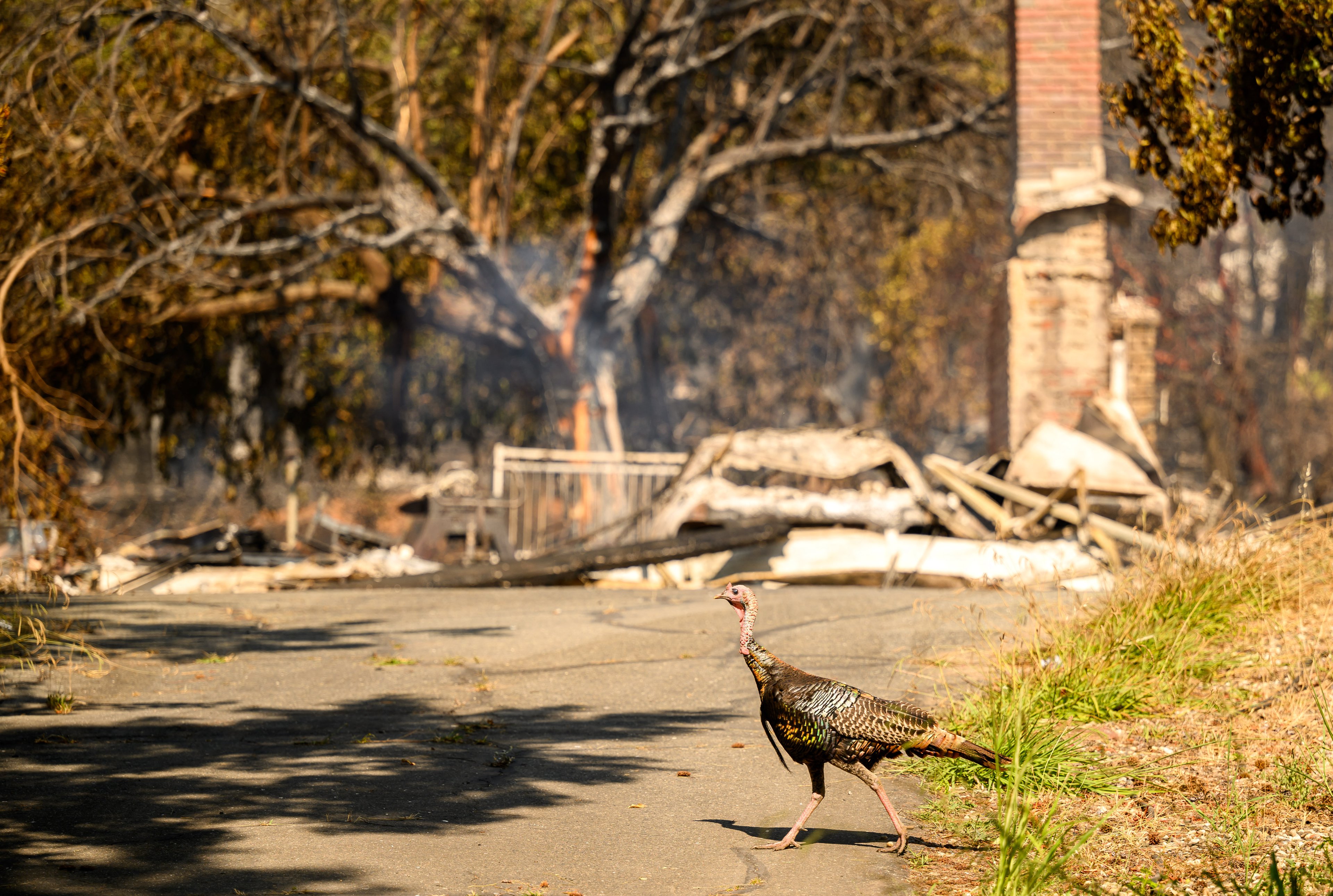
4/13 A turkey crosses the driveway of a burned home as the Thompson fire continues to burn in Oroville, California on July 3, 2024. A heatwave is sending temperatures soaring resulting in red flag fire warnings throughout the state. (Photo by JOSH EDELSON / AFP) (Fire season in California)
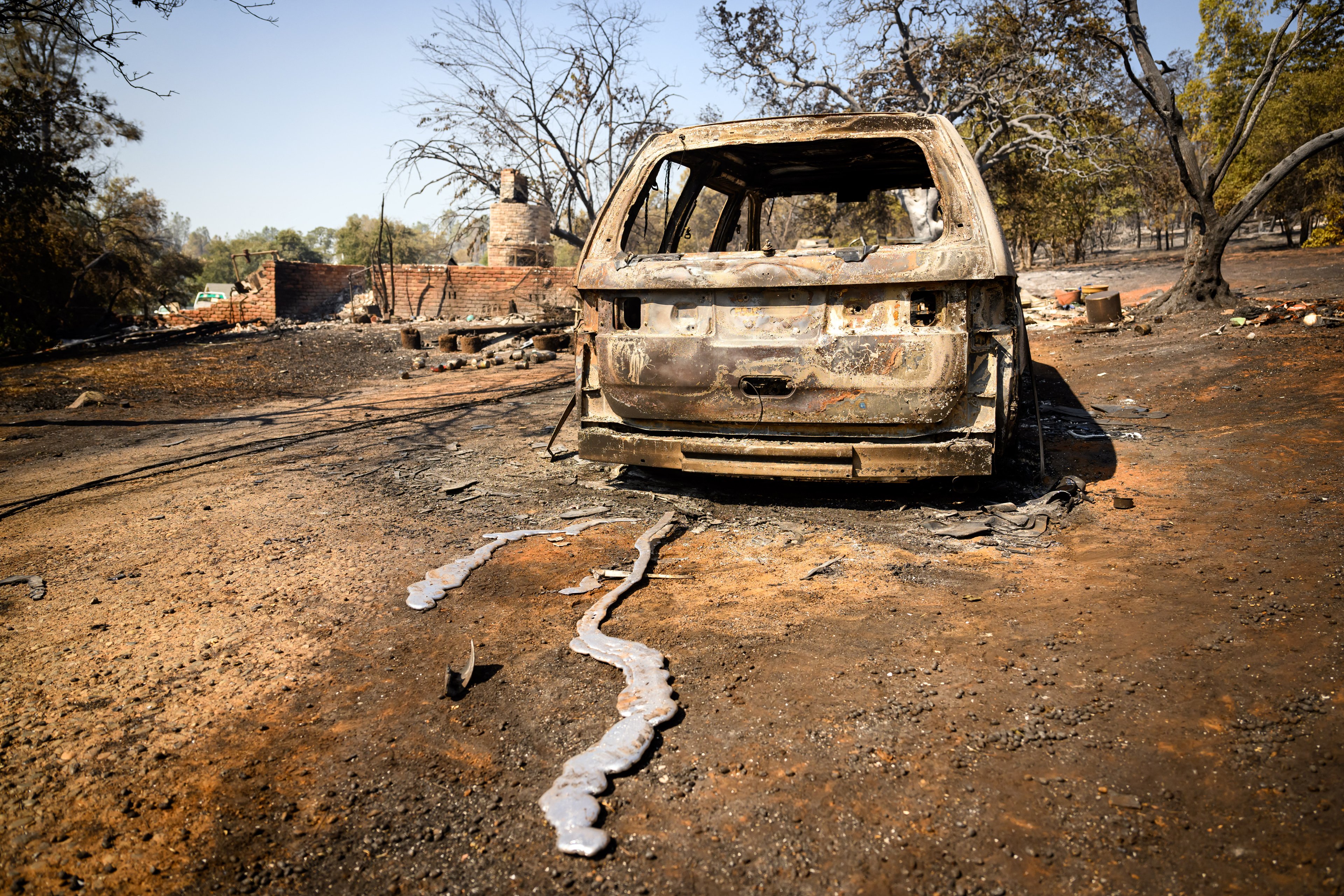
5/13 A burned vehicles leaves a trail of melted metal down a driveway as the Thompson fire continues to burn in Oroville, California on July 03, 2024. A heatwave is sending temperatures soaring resulting in red flag fire warnings throughout the state. (Photo by JOSH EDELSON / AFP) (Fire season in California)
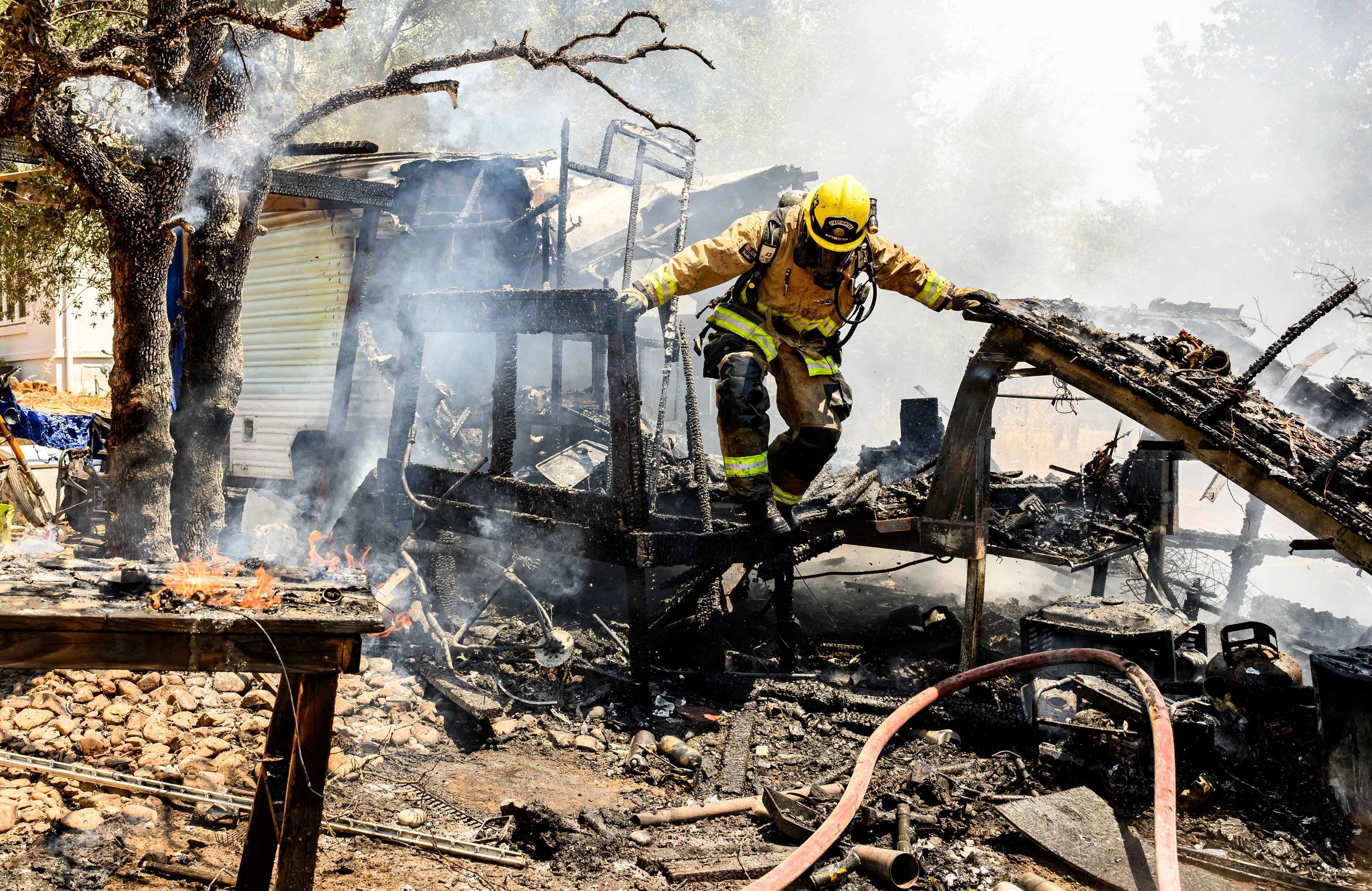
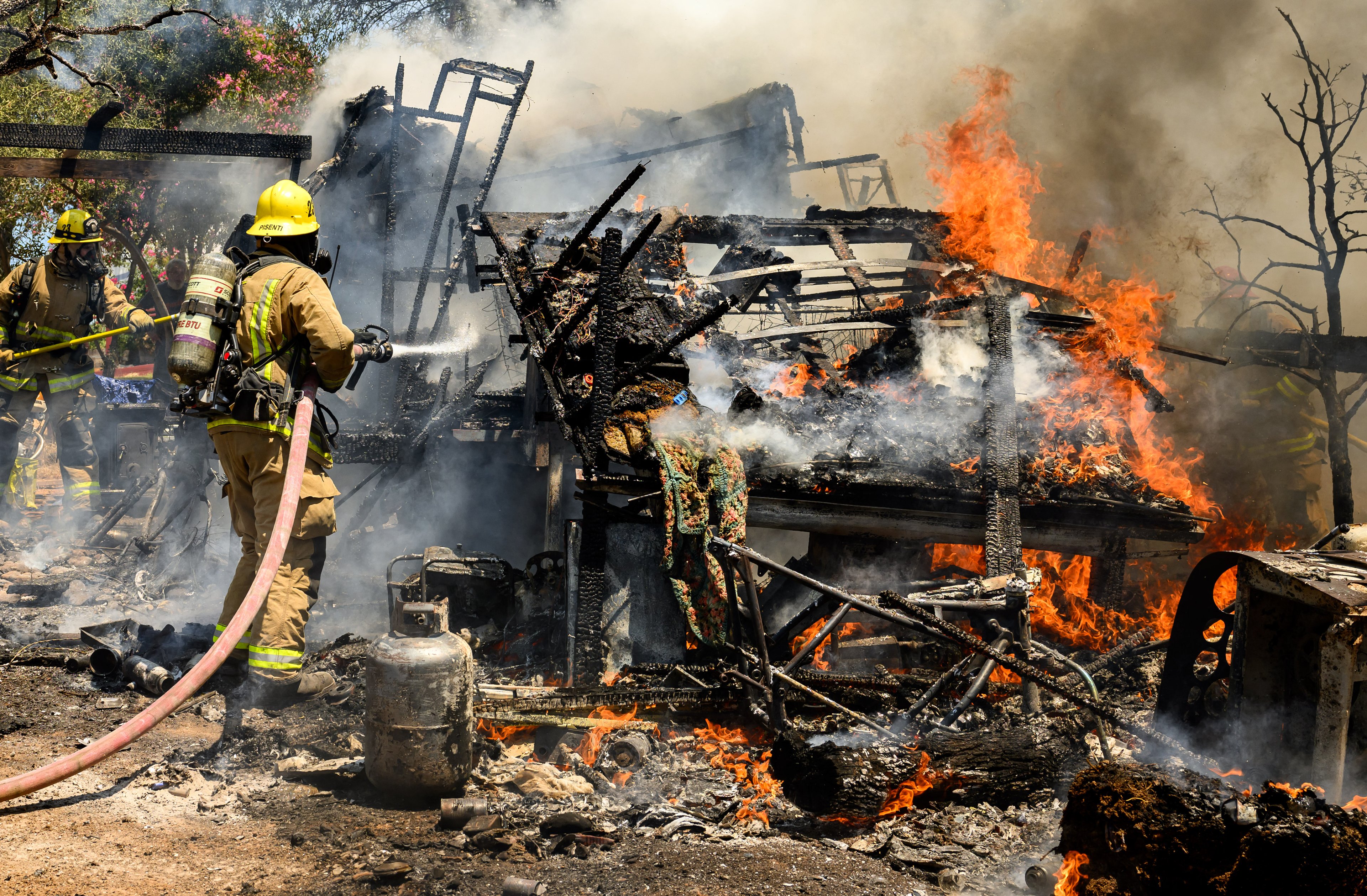
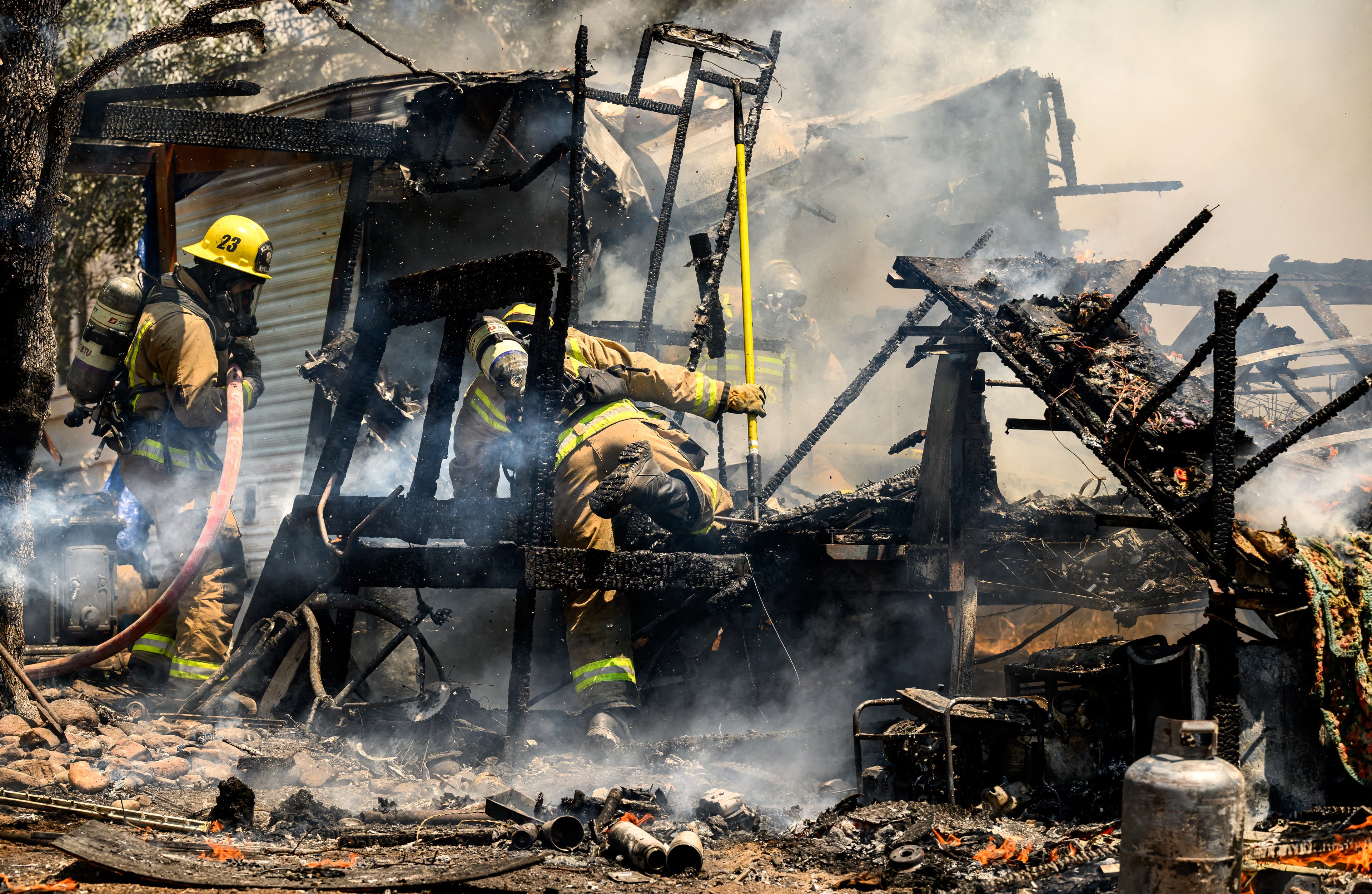
6/13 Firefighters knock down a structure fire that ignited from a burning generator and briefly spread to a small spot fire at a home during the Thompson fire in Oroville, California on July 3, 2024. A heatwave is sending temperatures soaring resulting in red flag fire warnings throughout the state. (Photo by JOSH EDELSON / AFP) (Fire season in California)
7/13 Firefighters knock down a structure fire that ignited from a burning generator and briefly spread to a small spot fire at a home during the Thompson fire in Oroville, California on July 3, 2024. A heatwave is sending temperatures soaring resulting in red flag fire warnings throughout the state. (Photo by JOSH EDELSON / AFP) (Fire season in California)
8/13 Firefighters knock down a structure fire that ignited from a burning generator and briefly spread to a small spot fire at a home in Oroville, California on July 03, 2024. A heatwave is sending temperatures soaring resulting in red flag fire warnings throughout the state. (Photo by JOSH EDELSON / AFP) (Fire season in California)
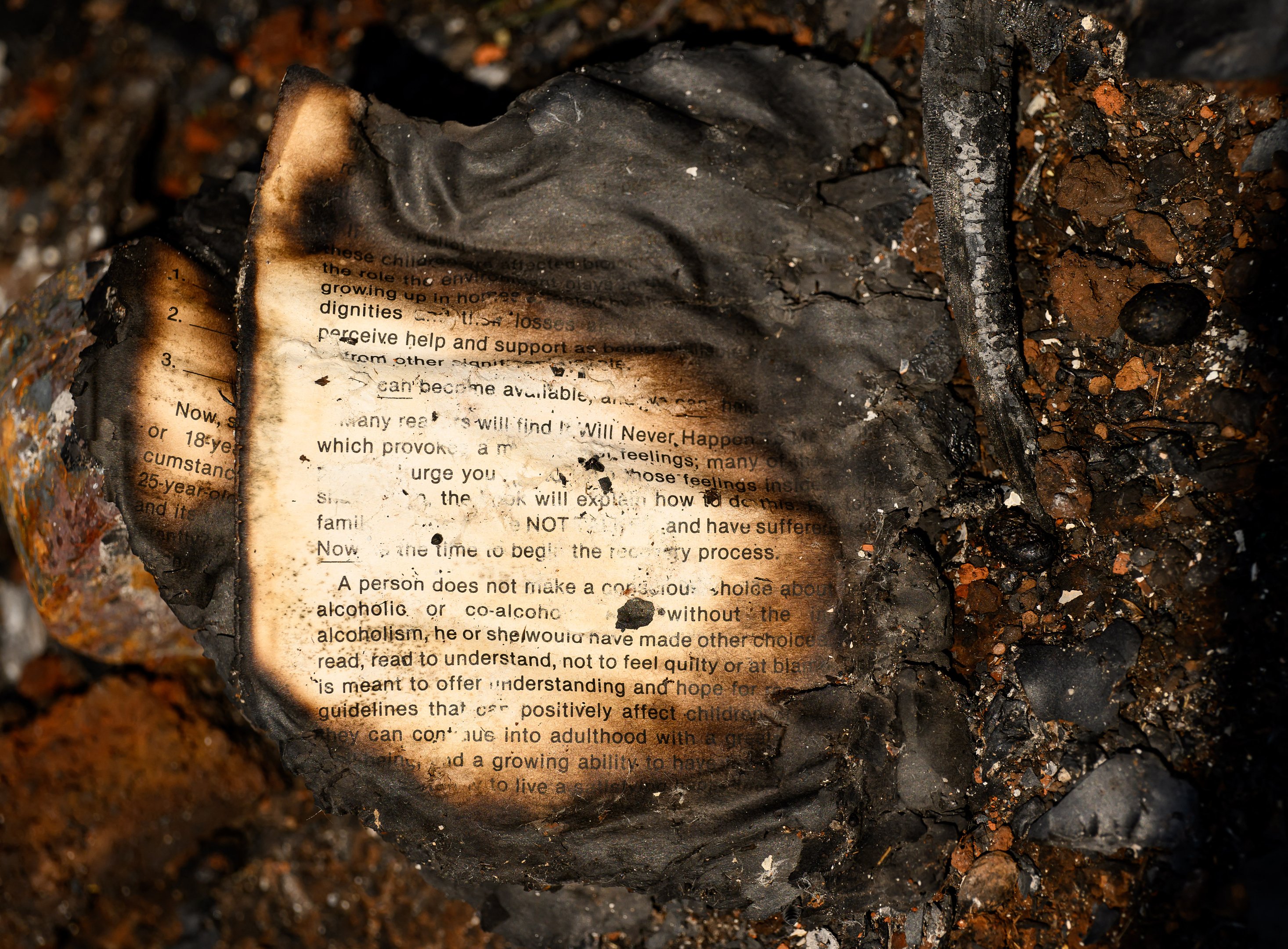
9/13 A partially burned book is seen at the remains of a burned home during the Thompson fire in Oroville, California on July 3, 2024. A heatwave is sending temperatures soaring resulting in red flag fire warnings throughout the state. (Photo by JOSH EDELSON / AFP) (Fire season in California)
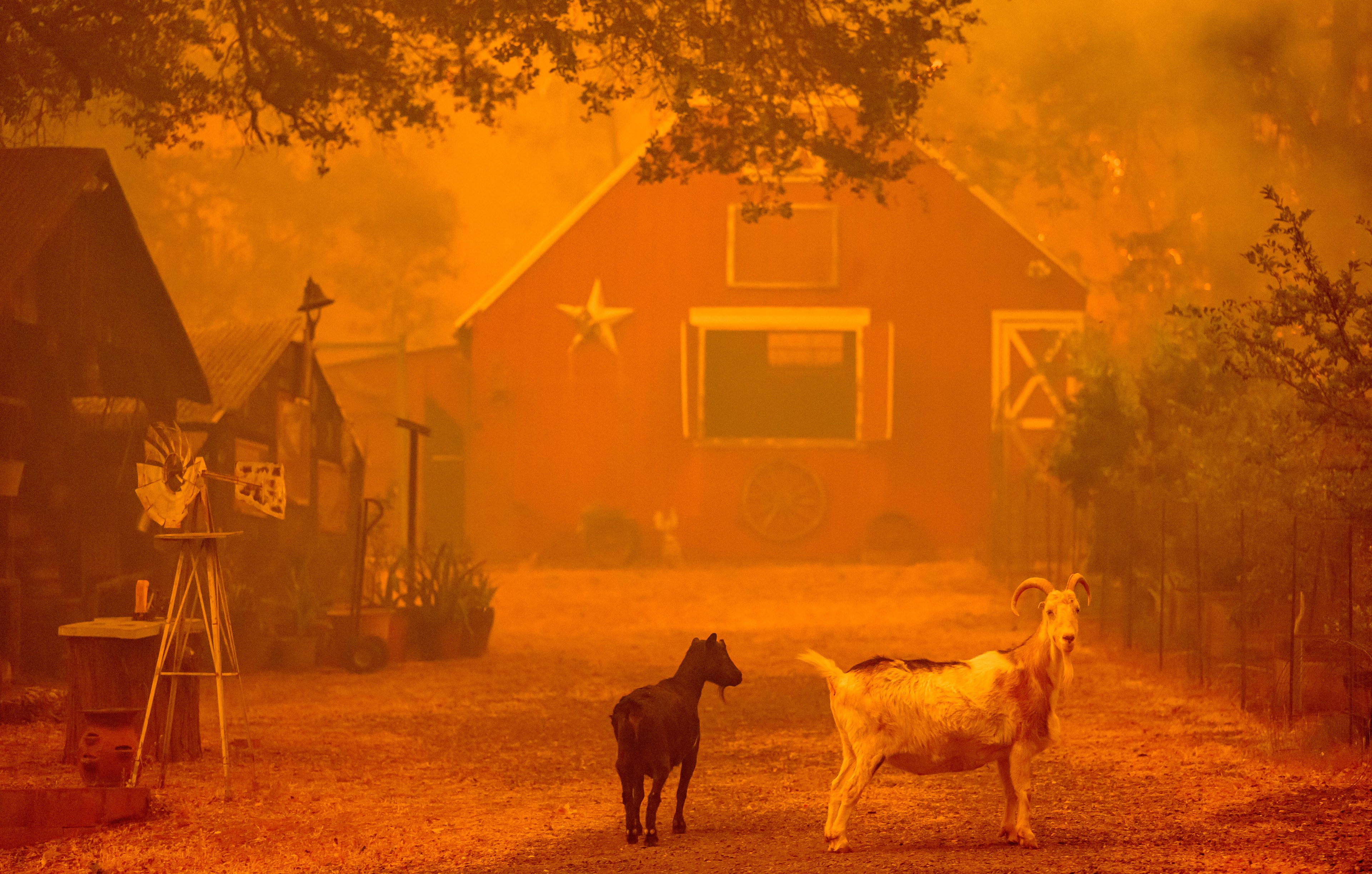
10/13 Goats look on as flames approach a home during the Thompson fire in Oroville, California on July 2, 2024. A heatwave is sending temperatures soaring resulting in red flag fire warnings throughout the state. (Photo by JOSH EDELSON / AFP) (Fire season in California)
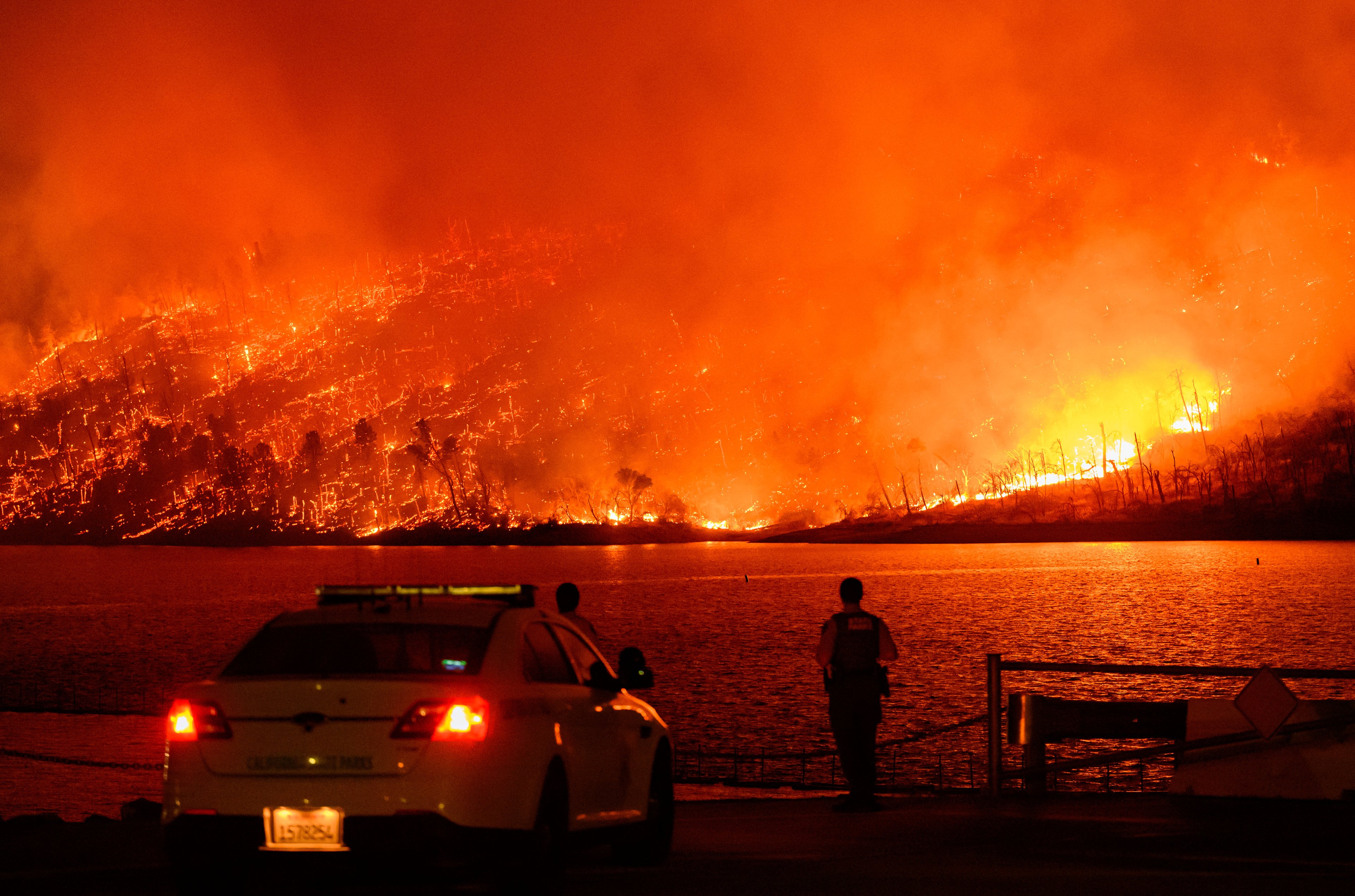
11/13 Law enforcement members watch as the Thompson fire burns over Lake Oroville in Oroville, California on July 2, 2024. A heatwave is sending temperatures soaring resulting in red flag fire warnings throughout the state. (Photo by JOSH EDELSON / AFP) (Fire season in California)
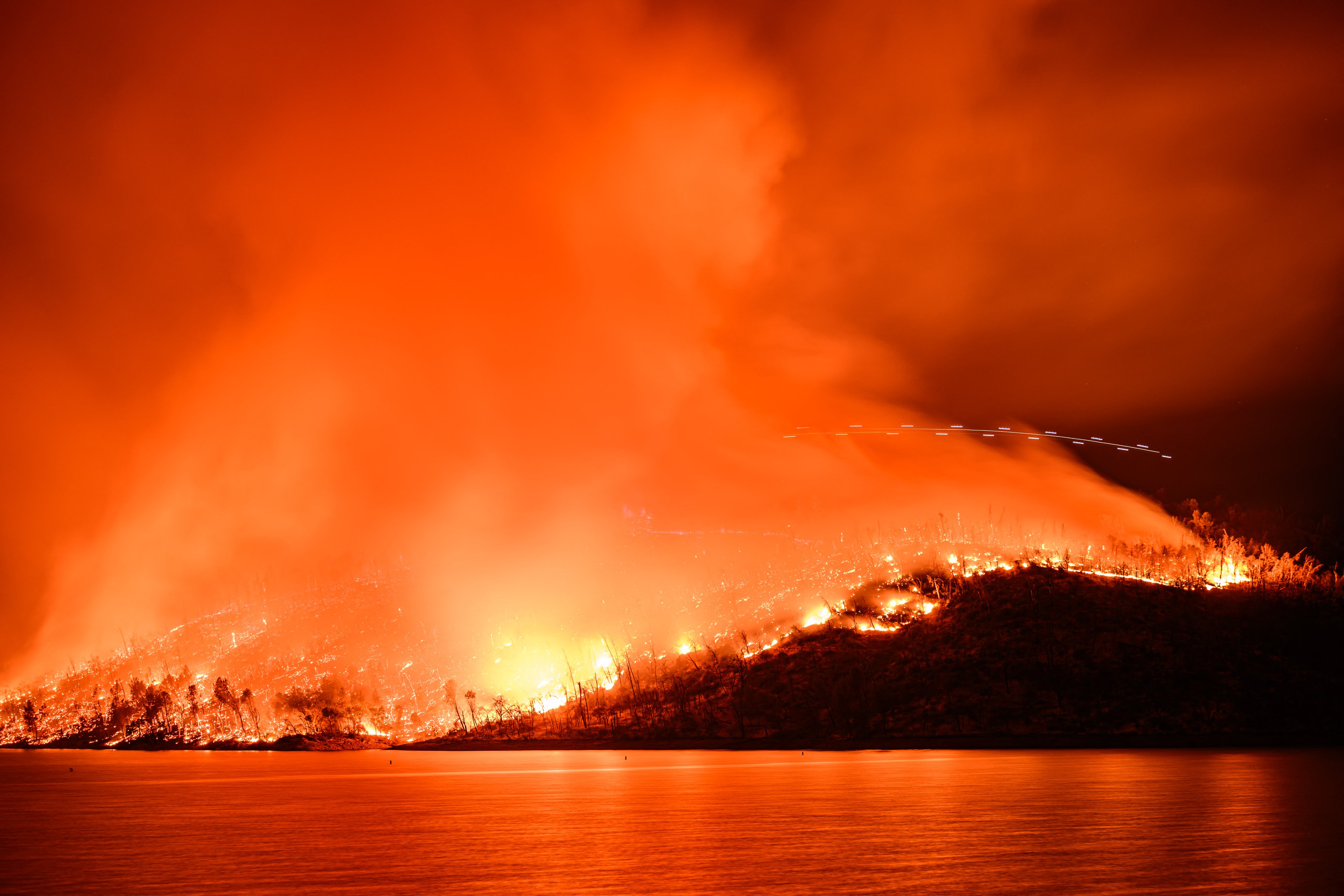
12/13 In this long exposure photograph, a helicopter surveys the scene as the Thompson fire burns around Lake Oroville in Oroville, California on July 2, 2024. A heatwave is sending temperatures soaring resulting in red flag fire warnings throughout the state. (Photo by JOSH EDELSON / AFP) (Fire season in California)
13/13 A night ops helicopter drops water on the Thompson fire in Oroville, California on July 2, 2024. A heatwave is sending temperatures soaring resulting in red flag fire warnings throughout the state. (Photo by JOSH EDELSON / AFP) (Fire season in California)

:format(webp))

:format(webp))

:format(webp))
:format(webp))
:format(webp))
:format(webp))

:format(webp))
:format(webp))
:format(webp))
:format(webp))